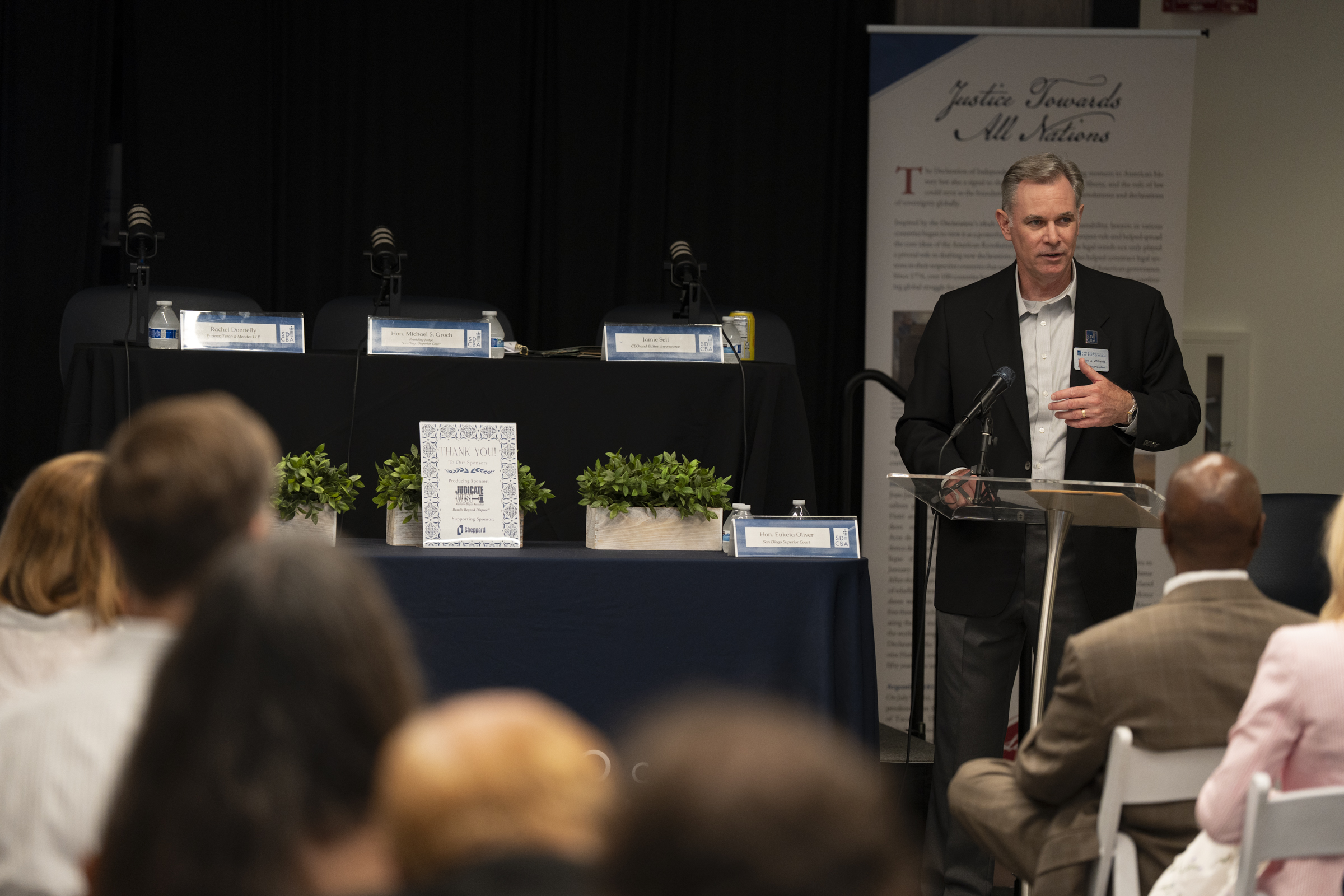
San Diego’s legal and media communities gathered at the San Diego County Bar Association Bar Center on Tuesday, Aug. 25 for the annual Bench/Bar/Media event. This year’s topic was “18th century institutions meet 21st century challenges: adapting the bench, bar and media for the future.” It was a wide-ranging conversation about how three centuries-old professions, the judiciary, the legal bar and journalism are adapting to a rapidly shifting landscape.
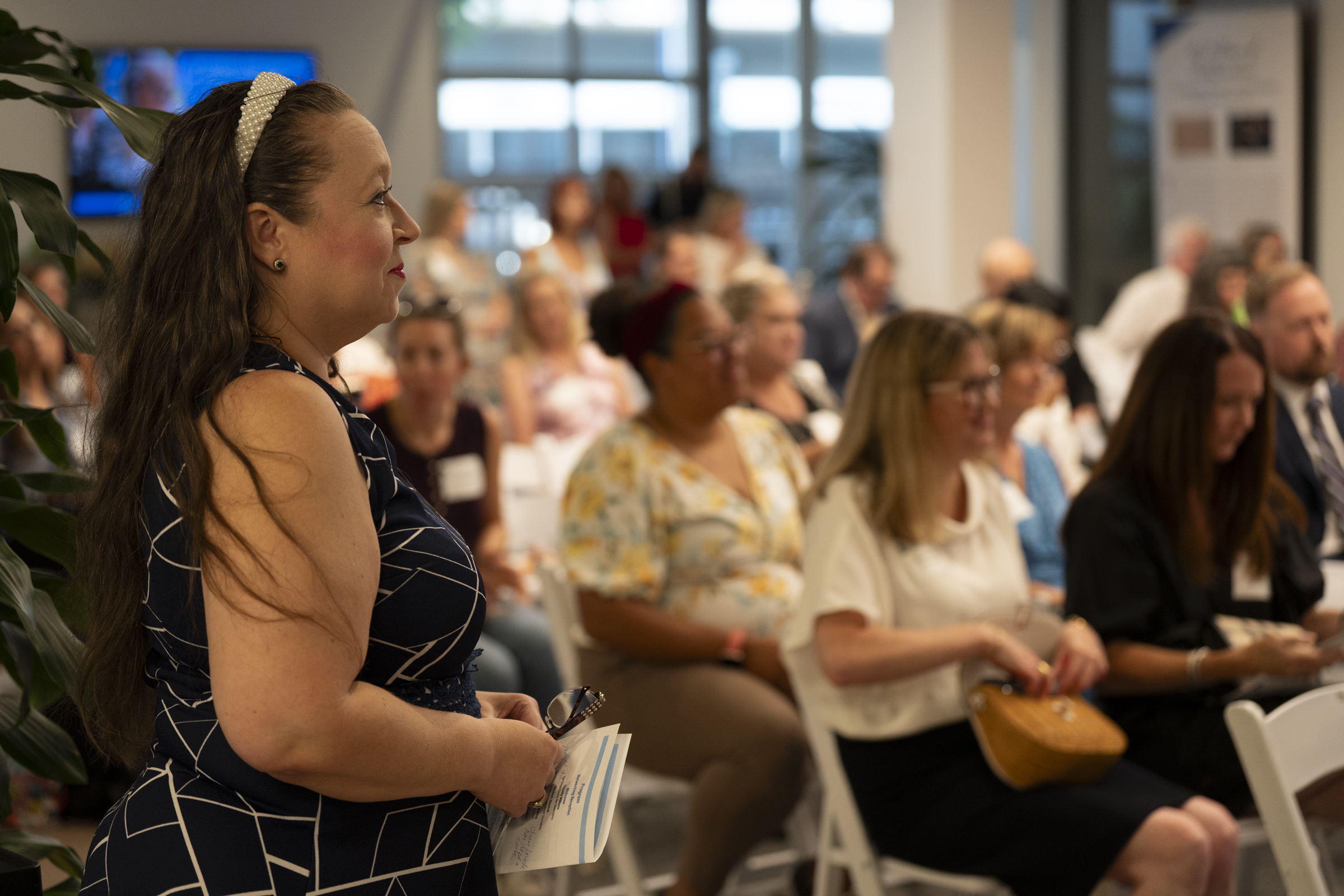
San Diego Society of Professional Journalists President Elizabeth Himchak gave opening remarks, reminding attendees the event was held in memory and honor of our dear colleague Kelly Davis, who passed away last month and left an immeasurable impact on San Diego.
Judges, attorneys and journalists examined the courts’ growing use of technology and AI, and discussed questions of media access and consolidation. We also talked about how today’s political and media climate is shaping jurors and public trust in the justice system.
The event was moderated by the Hon. Euketa Oliver, who was appointed to the San Diego Superior Court in 2021 and currently presides over the civil independent calendar. Oliver previously served as a deputy public defender, representing indigent clients in criminal and appellate matters. She chairs the Anti-Bias Legal Equality Committee.
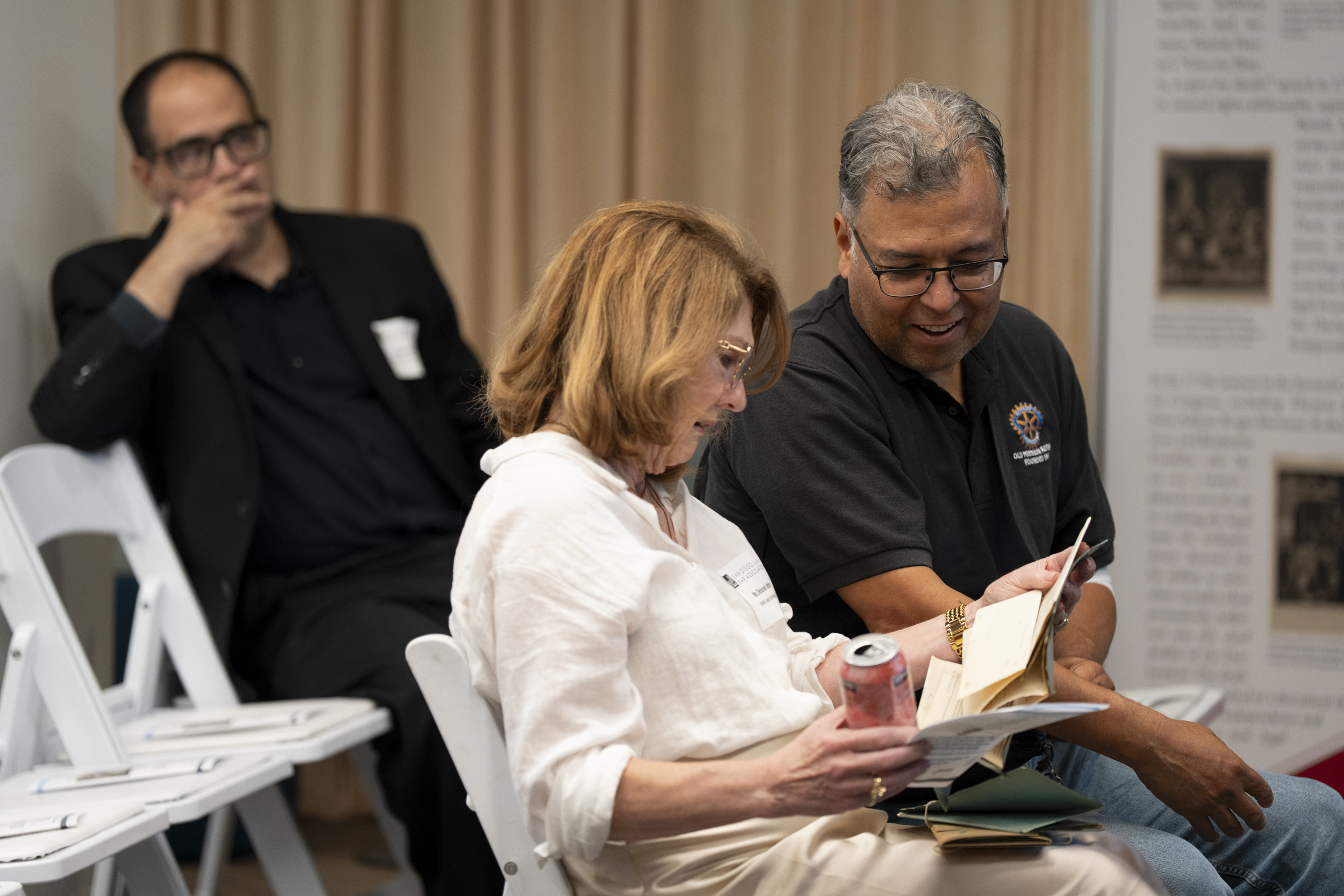
Hon. Michael S. Groch, the current presiding judge of the San Diego Superior Court and panelist in the discussion, brought copies of court records from the 1880s for attendees to look through. It was a hands-on illustration of how far the courts have come in access to records from paper files to today’s digital systems.
Groch oversees San Diego court operations, 154 judicial officers, nearly 1,100 employees and a budget of more than $220 million. Appointed to the bench in 2010, he previously served nearly 20 years as a Deputy District Attorney.

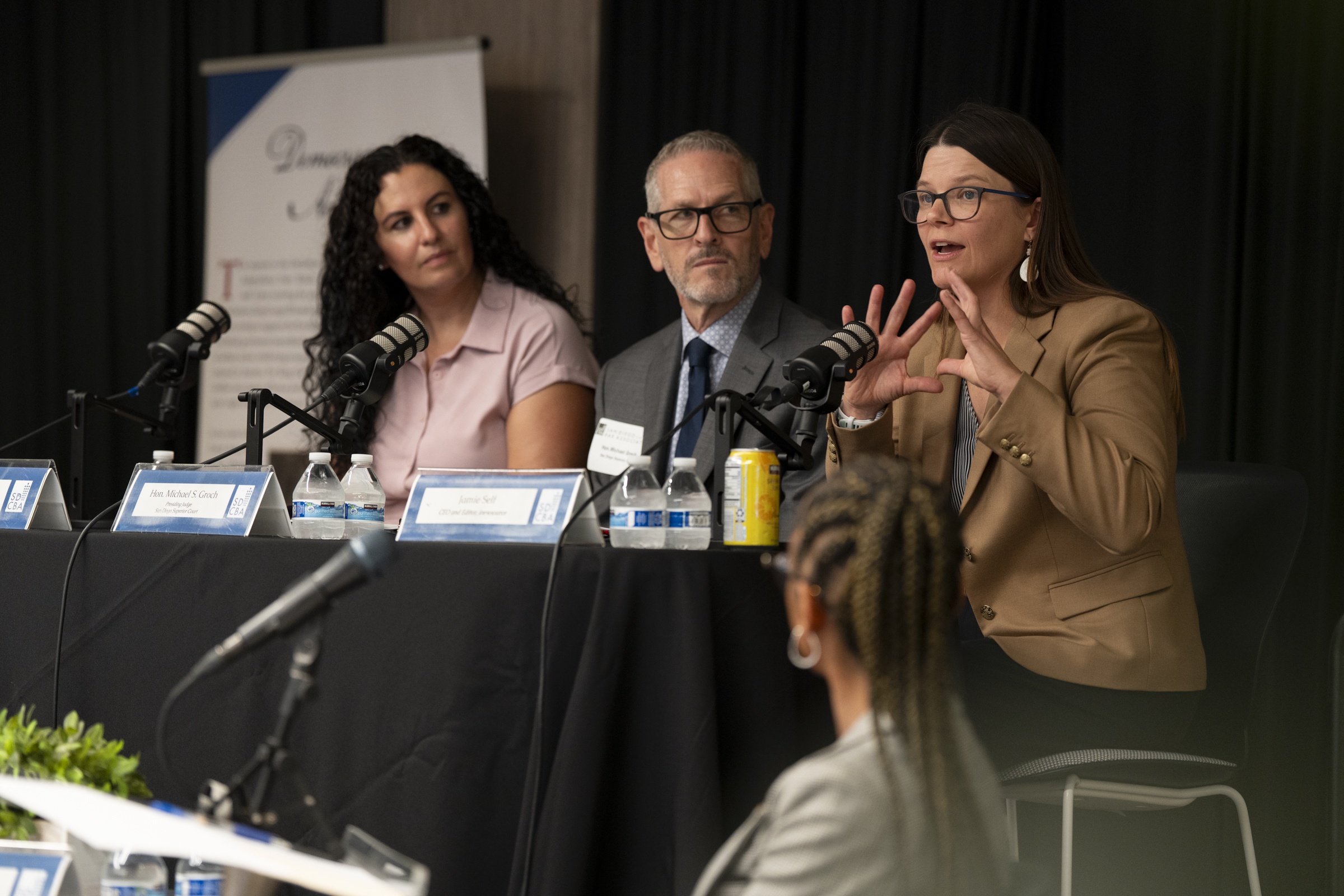
One point of discussion at the event was the blurring of lines between journalism and social media influence. In her remarks, journalist Jamie Self reflected on the challenges traditional news outlets face as audiences increasingly turn to personalities and influencers for information. “Everybody is a journalist these days,” said Self. “There are also efforts within the journalism space to educate influencers.” The industry is also working to adapt some of social media’s tools and partner with influencers to promote more accurate reporting. She also emphasized the need for stronger media literacy, starting in early education, to help the public better evaluate where their information is coming from and whether it can be trusted.
Self is an SDSPJ board member and treasurer. She is also the CEO and editor of inewsource, following serving two years as managing editor. She has edited nationally recognized projects, including Murrow-award-winning reporting on the Tijuana River sewage crisis and Steve Breen’s illustrated reporting project on fentanyl’s deadly impact, named a Pulitzer finalist.
A huge thank you to the sponsors of the event for helping make it possible:
Producing Sponsor: Judicate West. Supporting Sponsor: Sheppard Mullin.
 San Diego Society of Professional Journalists